
Measure
Readings in
Water, electricity, and occupancy data from the building.

Funded by 
DASH combines water, electricity, and occupancy data in one dashboard so facilities teams can identify, prioritise, and quickly fix likely water leaks. An Ofwat-funded trial for 30 UK commercial buildings. An Aviva-backed initiative.
Trial parameters shown; individual water and cost savings will vary by building. Ofwat WEL 1


Water, electricity, and occupancy readings come together in one dashboard. Facilities teams see likely water leaks, prioritise them, and fix them.
Register your buildingMeasure
Water, electricity, and occupancy data from the building.
Compare
The readings are compared so likely water leaks stand out.
Prioritise
Facilities teams get a short list of what to check and fix first.
Fix
Risk is reduced, with limited disruption for people in the building.

Thames Water reports that 25% of the water used by businesses is continuous flow: water still moving through the meter every hour. That can be a leak, water left running, or genuine round-the-clock use. Thames Water Water Resources Management Plan 2024, section O.35. Project Dash helps a facilities team find likely leaks. It does not guarantee a reduction.
Where a leak is on a hot-water pipe, fixing it can also reduce the energy used to heat that water.
The dashboard compares water use with electricity and occupancy, so a toilet running overnight or a leak in an empty room shows up as something to check.
A prioritised fix list for the facilities team
Selected buildings receive the meters, sensors, and shut-off valves for the trial at no cost. That equipment stays in the building afterwards.
Equipment remains in the building
Alerts fit the facilities team’s existing maintenance list. People in the building can get light-touch prompts, without a new daily task for the team.
Built around the facilities team’s workload
An Aviva-backed initiative






Water use is compared with electricity and occupancy, so likely leaks, including water running when the building is empty, show up early.
Signal layer
Occupancy and electricity
Wire-free sensors show which rooms are in use, alongside electricity data.
Smart sub-metering
Frequent water-meter readings show unusual flow, including leaks that are easy to miss.

Leak detection
Water, electricity, and occupancy readings are compared so likely water leaks stand out.
Response layer
Installation
Installation and follow-up are booked around the building’s busy hours.
Supports the initiative
Aviva supports Project Dash as an initiative promoting commercial water resilience and escape of water prevention.
Participation includes access to Aviva’s guidance resources, but does not constitute an insurance endorsement or individual building risk validation.
Installation and sensing are planned so the building can stay in use.
Wates teams can install outside busy hours.
During installation, water in one zone is usually off for under an hour. That is the planned approach.
No cameras or microphones. Occupancy data is anonymous at zone level and handled under UK GDPR.
Unusual water flow is easier to see. That supports inspection, testing and maintenance, and a clearer escalation response.
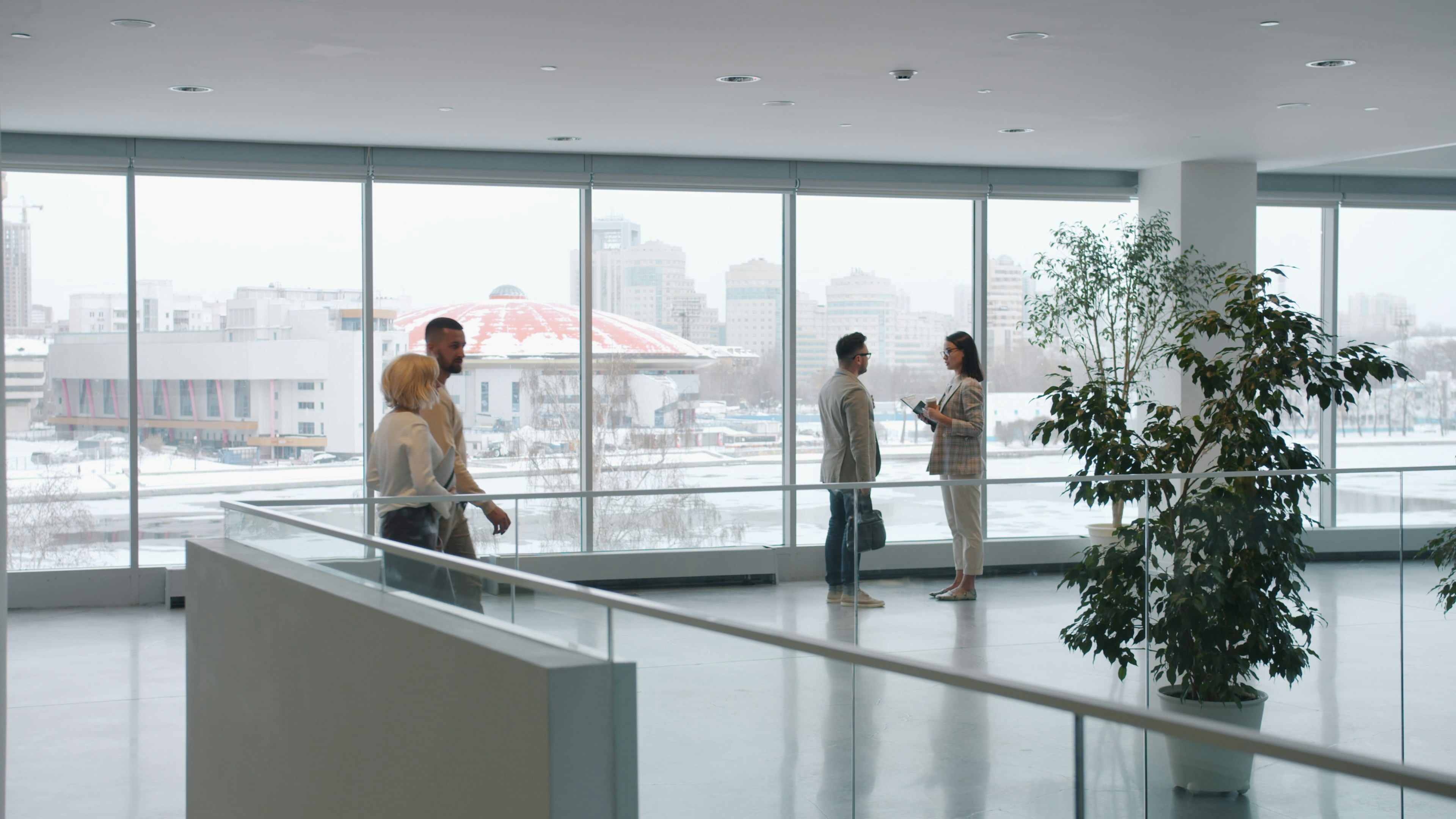
Register the building, then a short survey, installation, and a live fix list. Wates teams fit the equipment.
Submit building details and where you think water may be leaking. We confirm whether the building fits the trial.
A check of meters and how the building is used, including washrooms, tea points, and hot-water pipes.
Wates plumbers install meters and sensors. Each zone is isolated for a short period, outside busy hours where possible.
Leak alerts go to the facilities team as a fix list. At the end of the trial the installed equipment stays in the building.
Offices, education, or care, with a facilities team.
A UK commercial building (offices, education, or care) with a facilities team in place.
Someone who can approve the trial is willing to register and support it.
The building can provide access for professional installation.
Your team wants to find hidden water leaks and reduce the chance of escape of water.
You want practical monitoring and reporting for day-to-day facilities work.
30 qualifying UK commercial buildings will be selected.
Funding, who is involved, what installation involves, data, and what happens after the trial.
Demand for water is expected to exceed supply in hotter, drier periods. The government is seeking a 9% reduction in non-household water use by 2037–38, from 2019–20 levels (National Framework for Water Resources 2025). That is a national target, not a saving this trial promises for an individual building, but Project Dash helps commercial buildings identify avoidable waste to support these objectives.
Quensus Limited (lead partner): water monitoring, including flow at individual fixtures and shut-off when a leak is found. Direk: wire-free sensors for occupancy and electricity use. Wates Group: facilities management and installation across the trial buildings. Aviva: supports Project Dash. This is an Aviva-backed initiative. Aviva does not validate an individual building’s water plan, and it does not set an industry standard. Everflow: UK business water retailer (everflowutilities.com). Waterwise: independent not-for-profit focused on reducing water use and sharing what the trial learns. University of Surrey & Weir The Agency: independent specialists leading the trial design, occupant prompts, and analysis. The consortium for this Ofwat WEL 1 trial is listed on the Water Innovation Fund project page.
No charge for the trial itself. Equipment, software, installation, and support during the trial are funded.
Ofwat (the water services regulation authority) funds the project through its Water Efficiency Lab (WEL 1) competition. The trial looks at how closer monitoring can help commercial buildings find and fix likely water leaks. See the Ofwat WEL 1 award listing. Project Dash is also an Aviva-backed initiative.
The facilities manager or building lead is the primary contact, with alerts integrated directly into routine maintenance tasks. To support leak reduction without extra operational effort, participating sites also receive optional, light-touch prompt materials prepared by Waterwise and Weir The Agency for washrooms and common areas, plus brief quarterly check-ins (under 30 minutes) managed by the University of Surrey evaluation team.
Installation: For most buildings, the core sensors and monitoring equipment can be installed in a day. Zones are isolated one at a time, usually for under an hour. Trial length: Data collection runs for 18 months, through March 2028. Research feedback: Facilities managers and a few people who use the building may be asked for a short survey or interview (under 30 minutes, at most once a quarter) by the University of Surrey. These timings describe how the trial is planned.
Funded equipment: A selected building receives up to £10,000 of hardware, software, and installation, typically including around 30 occupancy, electricity, and water sensors. That figure is the funded trial package, not a guaranteed saving. Likely leaks: Thames Water reports that 25% of water used by businesses is continuous flow, meaning water still moving through the meter every hour (Thames Water Water Resources Management Plan 2024, section O.35). That can be a leak, water left running, or genuine round-the-clock use. The dashboard helps a facilities team find likely leaks and decide what to fix first. It does not guarantee a percentage reduction. Where a leak is on a hot-water pipe, fixing it can also reduce the energy used to heat that water.
Only for a short time while the internal water meter is fitted, which means cutting a short section of pipe. One zone is isolated at a time, usually for under an hour. The main external stopcock is not turned off. The battery-powered occupancy sensors do not need the water or electricity supply to be switched off.
No. Installation can be booked outside busy hours, at a weekend, or when fewer people are in the building.
Health and safety: Installation is carried out by accredited Wates-approved plumbers, working to a risk assessment and method statement. Water left standing: Flow monitoring can show where water is not moving as expected, which helps the facilities team investigate. It does not replace your existing water-safety duties. Privacy: Occupancy sensors detect presence only. There is no video, audio, or image of a person. Data is anonymous at zone level and handled under UK GDPR.
Readings go to a secure dashboard used by the University of Surrey evaluation team, Direk and Quensus, and the Wates facilities desk, so repair work can be prioritised. Raw data is not shared with your water wholesaler or retailer, and it is not used to change your water tariff. At the end of the 18-month trial, anonymised, combined findings go into a public report shared by Waterwise. Building names, company names, people’s names, and addresses are kept out of that public report.
Data is encrypted when it is sent and when it is stored. It is processed on UK servers. Access is limited to people who need it for the trial, and retention follows the trial’s data rules.
The meters and valves can stay in the building. After the funded period, a cloud dashboard subscription is optional. Quensus: optional post-trial leak-alert software is £6 per month per unit (one unit can handle up to four meters). These are Quensus’s supplier rates, not a trial outcome. Direk: optional post-trial occupancy and electricity tracking is priced separately. Indicative supplier rates for a typical multi-floor office are £3,000 to £12,000 a year. If you do not subscribe, the dashboard access ends and the plumbed fittings stay in the building. You keep manual valves so zones can be isolated for later maintenance.